
Native bird numbers double in Miramar Peninsula
This article was written by Noam Mānuka Lazarus (Ngāti Whātua), Massey University journalism student, for RNZ on 13 December 2025
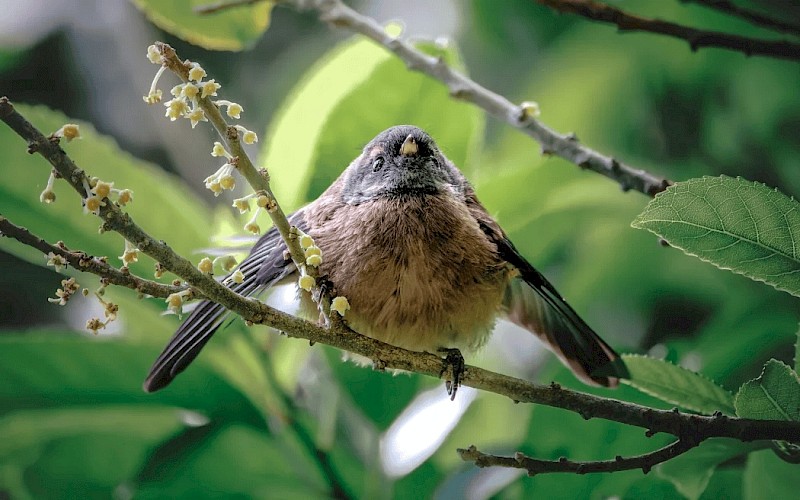 Pīwakawaka, courtesy Jim Beltran/RNZPredator Free Wellington said its efforts to eliminate predators have led to a doubling of native bird life in the Miramar Peninsula.
In its annual report, the group said the number of kōtare (kingfisher) observed had increased by 550 percent, pīwakawaka (fantail) by 400 percent, riroriro (grey warbler) by 283 percent, and tūi by 210 percent.
The report also suggested strong numbers of kākā, kārearea, kākāriki and ruru.
It found that the total of native birds in the area had increased by 136 percent.
Predator Free Wellington (PFW) project director James Willcocks said phase one and two of its projects, along with other initiatives like Capital Kiwi and Zealandia, were demonstrating that introduced predators could be eliminated from urban areas.
Seatoun, Lyall Bay, Breaker Bay, Miramar, Kilbirnie, Rongotai and Hataitai were just some of the areas cleared during the first phase.
These areas were still maintained using a barrier system – involving over 1000 traps and bait stations – which blocked out pests from safe zones.
The report also revealed successful testing of H2Zero prototype bait stations, provided by Zero Invasive Predators.
Whilst standard bait stations required fortnightly visits and maintanence, these new units could run for three months between services.
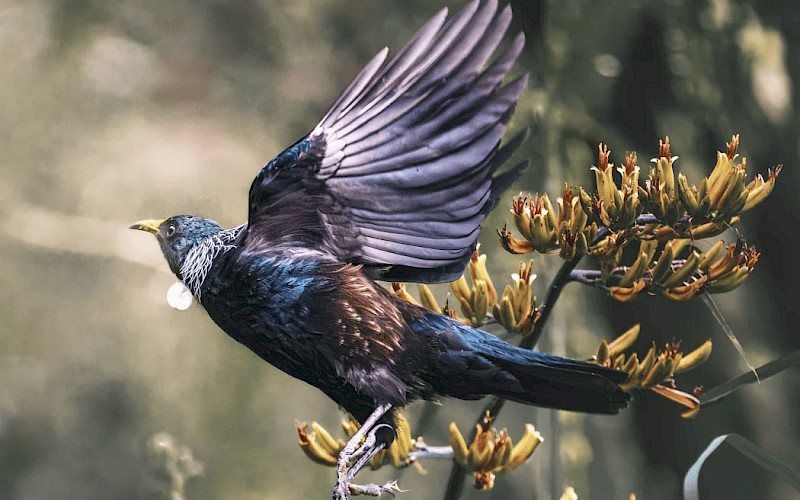 Tūī, courtesy Jim Beltran/RNZThis reduced the required visits by PFW volunteers to bait stations by 85 percent.
“This isn’t just about speed. It’s about precision. We’re placing devices where rats actually are, rather than blanketing entire areas and hoping for the best,” Willcocks said.
He said results like these did not happen by accident, they were funded.
“I would say it’s no longer a technical challenge. It becomes an economic challenge, right? Do we have the money to pay for it and do we want to pay for it.”
PFW relied on its 164 volunteers checking bait stations and cameras around Pōneke.
It said 2200 more continued to check PFW stations within their own backyards and reserves across Wellington.
Eleanor Nugent, a PFW community ranger, said fulfilling her sense of kaitiakitanga was a core reason for why she volunteered.
“This is such an amazing outlet that’s not only helping the planet, but is also such a special community of people who get to express their want to do good.”
She said the volunteers were people from all different walks of life.
Willcocks said funding from central government would realise PFW’s ‘phase three’ plans.
This phase would make the Wellington CBD, Parliament, and 1200 hectares in the Te Kopahou reserve pest-free.
The reserve is off the bottom of Zealandia, and would increase that pest-free area by fivefold.
Posted: 15 January 2026