Predator Free Wellington
  • Our project
    • Our project
    • News
    • FAQs
    • Knowledge hub
    • Meet our team
    • Our impact
    • Our progress
    • Our supporters
    • Contact us
  • Sign up – Phase 2
    • Phase 2
    • Phase 2 volunteering
  • Miramar
  • Trapping
    • Find a trapping group
    • Community heroes
    • Knowledge hub
  • Support us
  1. Home
  2. Our project
  3. News
  4. News article

News article

1000 pests caught on Mt Victoria

A group of Wellingtonians are making one of the city’s most-visited places a haven for wildlife. In just over a year, the Mt Victoria Vermin Trappers have caught 1000 pests, including nine weasels and dozens of rats.

The area is the most-visited part of Wellington’s town belt, with more people walking through the Southern Walkway each year than the Tongariro Crossing.

Now people are also noticing an increase in wildlife, with birds such kākā, ruru (morepork), tui, kārearea (NZ falcon), fantail, grey warbler, and shining cuckoo becoming more common.
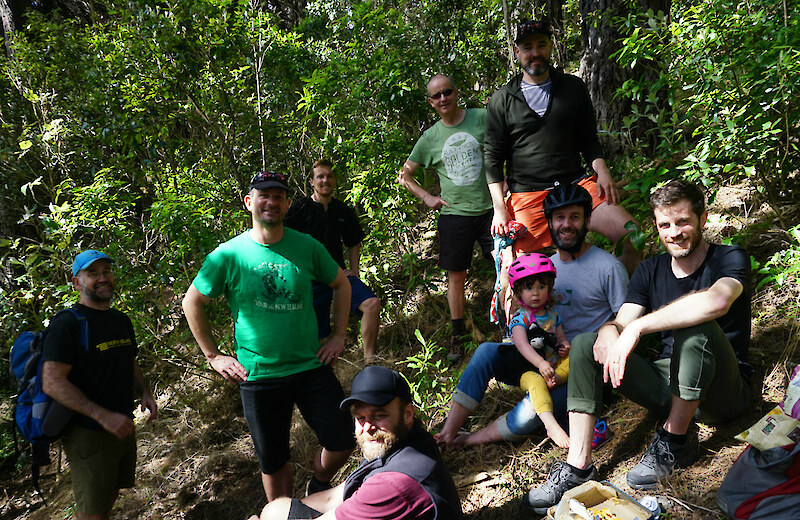
Mt Victoria Vermin Trappers volunteersMt Victoria Vermin Trappers volunteersMt Victoria Vermin Trappers come from suburbs surrounding Mt Victoria’s Town Belt. The group of around 30 Trappers have over 250 traps set in the area. Regular monitoring using chew cards by the group over the last two years has shown a sustained decrease in rats and mice.

Mayor Justin Lester thanks the group for their work, calling the project a big success.

“Projects and people like the Mount Victoria Vermin Trappers are the driving force behind a Predator Free Wellington,” said Lester.

“It’s great to see our native birds coming back to even the busiest parts of our Wellington forests.”

The group has recently expanded into backyard trapping, with the launch of Predator Free Mt Vic, and encourages locals to get involved.

“It’s really awesome to see the community come together,” said volunteer Cam Hayes.

“We are starting to see so much more wildlife, and trapping’s become a really cool way to protect that while getting to know your neighbours.”

The group have been supported by Rotary Club of Wellington and Wellington City Council as well as the Thankyou Charitable Trust, Wellington Mountain Bike Club and Ron and Edna Greenwood Environmental Trust.

Posted: 4 December 2017

Prev article
All articles
Next article
  • Facebook
  • Instagram
  • LinkedIn
  • Contact us
  • Receive our newsletter

© 2026 Predator Free Wellington • Privacy statement • Website by RS

  • Home
  • Our project
    • Our project
    • News
    • FAQs
    • Knowledge hub
    • Meet our team
    • Our impact
    • Our progress
    • Our supporters
    • Contact us
  • Sign up – Phase 2
    • Phase 2
    • Phase 2 volunteering
  • Miramar
  • Trapping
    • Find a trapping group
    • Community heroes
    • Knowledge hub
      • Our urban predator free blueprint (2024)
      • Most Significant Change (2025)
      • Return on investment (2025)
      • The value of volunteers (2024)
      • Habitat preferences of Ship rats (2023)
      • Social-ecological research (2022)
      • People, nature and wellbeing (2020)
      • Predator Free Miramar: How to kill rats and engage a community (2019)
      • Biosecurity: Rat or mouse?
      • Biosecurity: Rat or wētā droppings?
      • Biosecurity: Chew marks and chew cards
      • Biosecurity: Tracking tunnels and prints
      • How to get trapping (guide)
      • How to build a trapping tunnel
      • How to rat proof your compost
      • How to make a wētā hotel
      • How to build a corflute trapping tunnel
      • H2Zero trial – case study
      • Improving our biosecurity – case study
      • Using dog detectors early – case study
      • How to maintain your Victor rat trap
      • How to run a tunnel building workshop
      • Conceiving an unfenced urban ecosanctuary at Mātai Moana (2024) – external link
      • Estimating the impact of Predator Free Wellington on tree wētā (2025) – external link
      • Assessing the effects of predator control and habitat on lizards in an urban landscape (2025) – external link
      • Webinar - Analysis of Predator Free Wellington data from Miramar (2024)
  • Support us
  • Facebook
  • Instagram
  • LinkedIn
  • Newsletter signup
  • Search...