
The connection between people, nature and wellbeing in Wellington
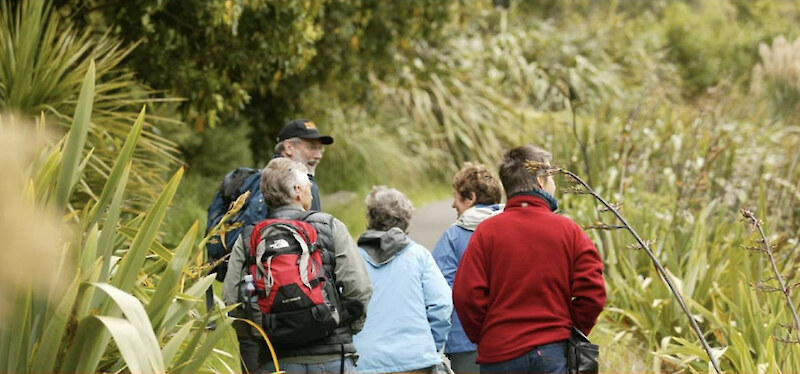 New research shows health benefits for the trappers of Pōneke – time spent involved in backyard and reserve trapping is improving the health of Wellingtonians.
Researcher Dr Danielle Shanahan from Zealandia’s Centre for People and Nature surveyed 1,200 Wellington residents. She found that levels of depression, anxiety and stress are lower in people who spend more time in natural spaces.
Greater health benefits were found among those who take part in predator trapping. Around a third of those who were surveyed were involved in predator trapping at home or in the community, and this was associated with lower levels of depression, stress and greater feelings of social cohesion.
Good for the environment and ourselves
It’s tempting to assume the results are linked to healthier people being the ones taking part in trapping but the research shows there’s more to it than that:
‘Interestingly, participation in predator trapping (a common mode of environmental volunteering in the city) provided further predictive power for mental, physical and social health and wellbeing outcomes. This pattern suggests that significant additional wellbeing benefits are gained when people experience active stewardship of their environment alongside other nature-based activities; indeed, participation in trapping was a significant predictor of higher levels of social cohesion whereas general time in nature was not in this study. These additional benefits could be derived from the added interpersonal connections people gain when participating in a community activity, or these experiences may also encourage more considered observation of the natural environment, potentially leading to greater benefits.’
The connection between people, nature and wellbeing in Wellington is part one of a longer-term study which will continue to measure change in experiences of nature and wellbeing over time. This research is supported by Wellington City Council.
Ultimately, these results suggest that nature is playing a key role in improving the health and wellbeing of Wellingtonians.
Read the full report here.
––––––
Dr Shanahan worked with Dr Julie Whitburn on further research. Read their report on the social and ecological outcomes of our work on the Miramar Peninsula.