Predator Free Wellington
  • Our project
    • Our project
    • News
    • FAQs
    • Knowledge hub
    • Meet our team
    • Our impact
    • Our progress
    • Our supporters
    • Contact us
  • Sign up – Phase 2
    • Phase 2
    • Phase 2 volunteering
  • Miramar
  • Trapping
    • Find a trapping group
    • Community heroes
    • Knowledge hub
  • Support us
  1. Home
  2. Trapping
  3. Knowledge hub
  4. How to make a wētā hotel

How to make a wētā hotel

An easy way to care for native wildlife

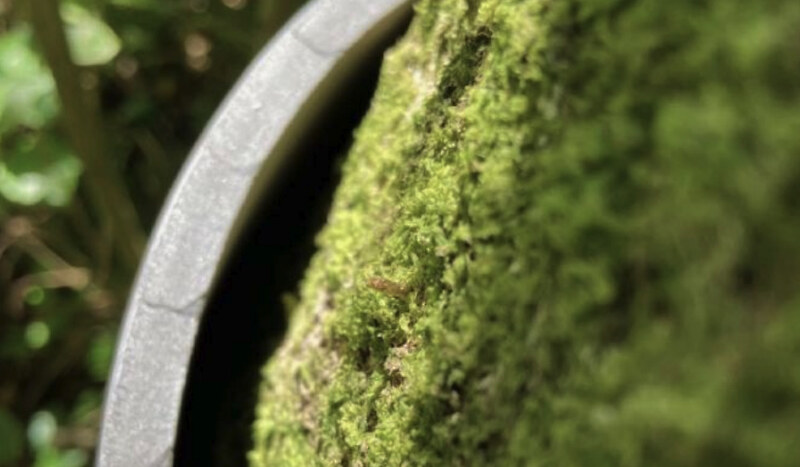
If you’ve got an old yoga mat lying around, you can make a shelter for your local wētā, insects and lizards. The mat acts like loose bark for small animals to shelter under.
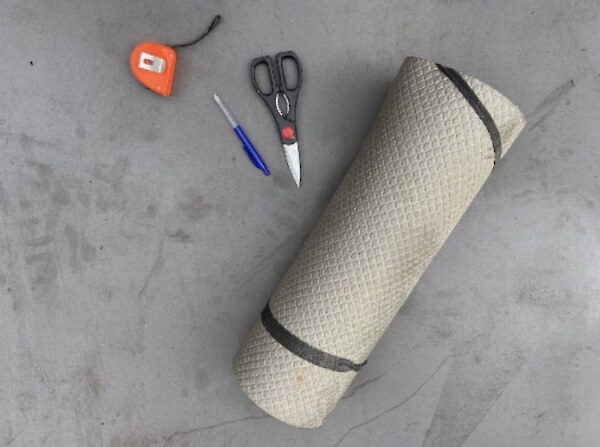
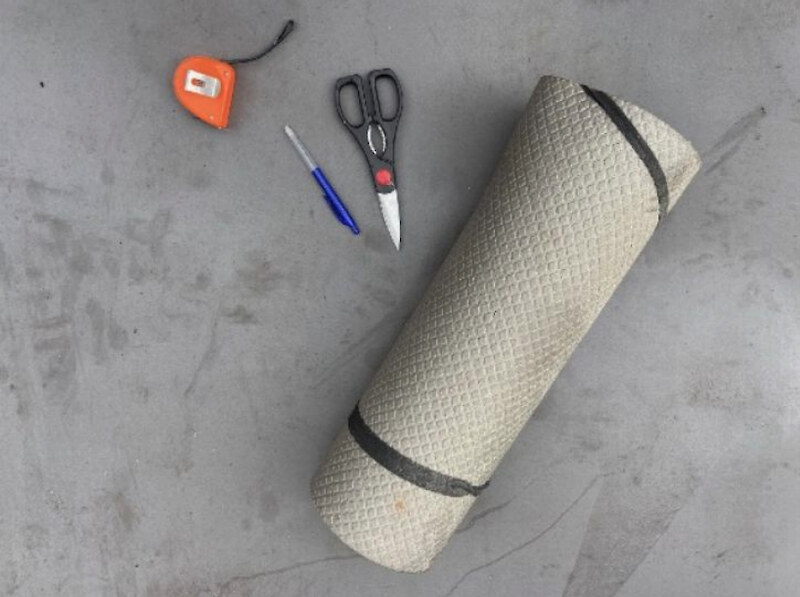
Materials you’ll need:

  • A yoga mat or piece of thin foam (around 40 x 50cm)
  • Nails and a hammer
  • Measuring tape
  • Marker pen
  • Scissors
  • Good sized tree trunk

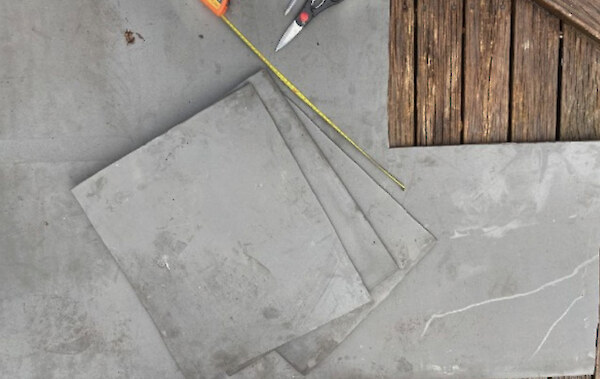
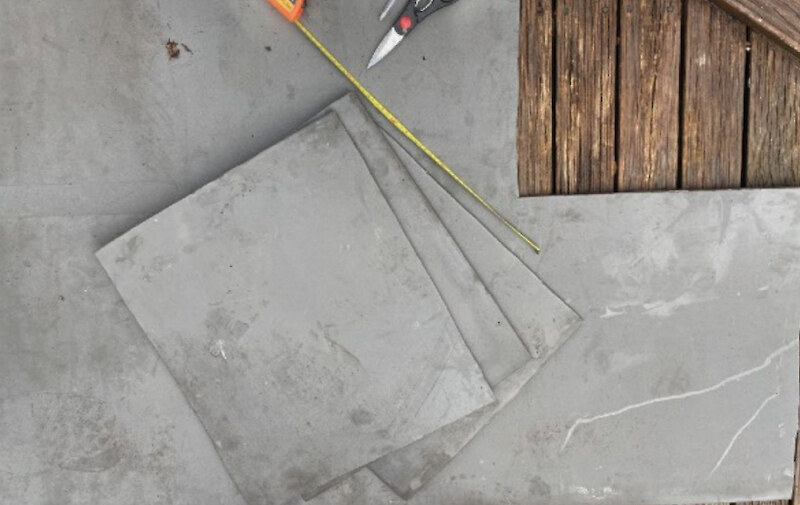
Step 1 – Measure

Measure out a piece of mat around 40 x 50 cm. Cut out each sheet. Most yoga mats will give you two or three sheets.
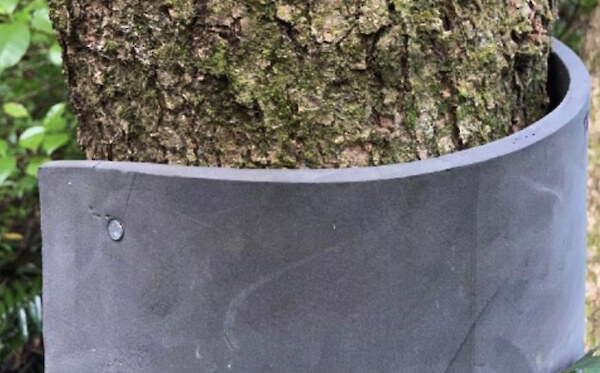
Step 2 – Find a tree

Any large tree will do, but our native animals prefer native trees (like mahoe, ngaio, fivefinger, manuka or totara).
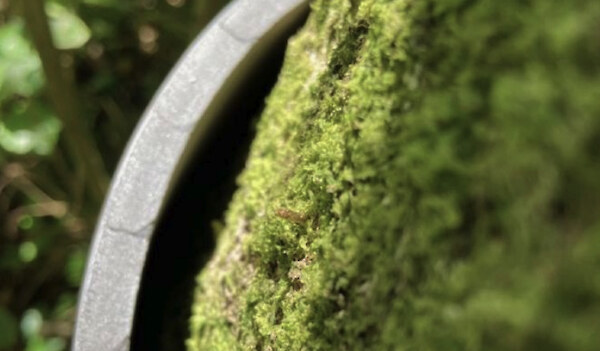
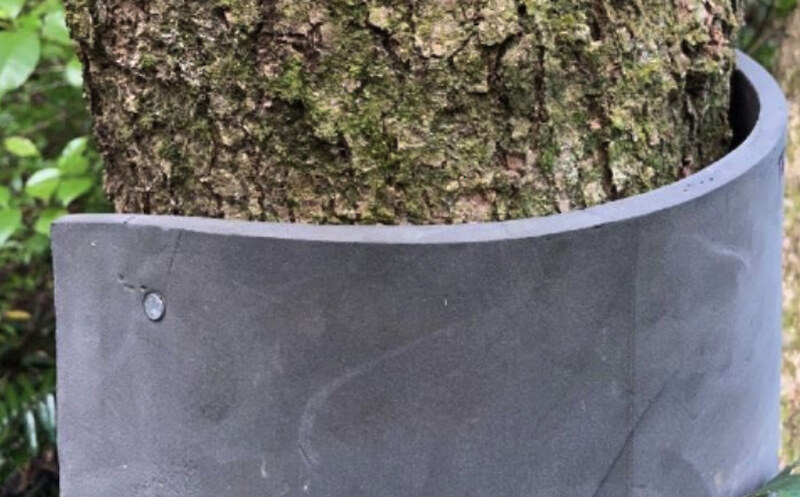
Step 3 – Attach

Hammer a flat-head nail in each corner (flat heads will help the mat stay on) about 3cm from each edge. You might like to add a fifth nail in the middle of the mat to secure it. Don’t hammer too deep! Leave about 2cm of nails poking out from the trunk to give animals room to crawl into and feel safe.
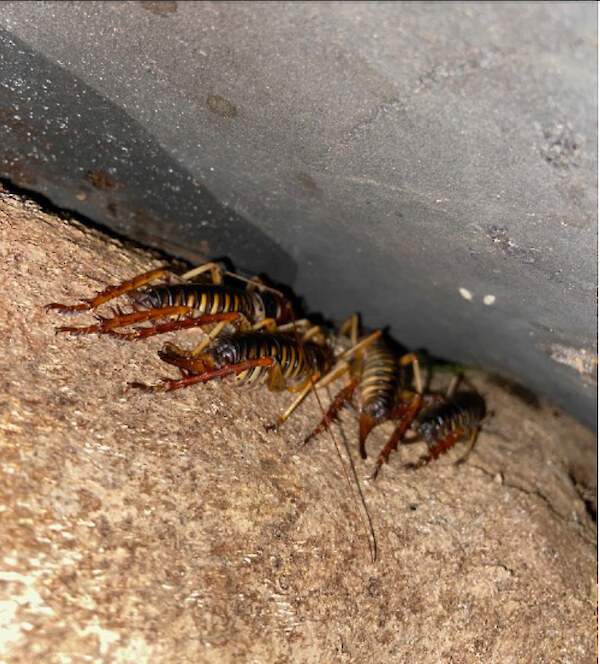
What you might find:

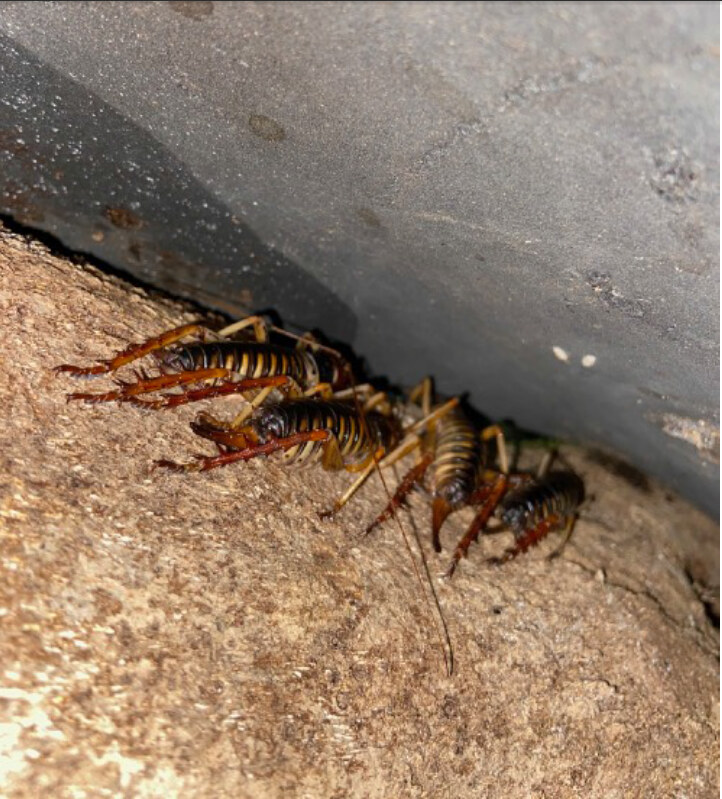
It might take months for your residents to move in. You could have Wellington tree wētā or painted wētā, spiders, slugs or geckos. If you’re super lucky you might find the peripatus or velvet worm.

Our thanks to Joakim, lead for Te Motu Kairangi – Miramar Ecological Restoration, for creating this resource.

This video shows a jam-packed wētā hotel one of our team found on the Miramar Peninsula.

  • Facebook
  • Instagram
  • LinkedIn
  • Contact us
  • Receive our newsletter

© 2026 Predator Free Wellington • Privacy statement • Website by RS

  • Home
  • Our project
    • Our project
    • News
    • FAQs
    • Knowledge hub
    • Meet our team
    • Our impact
    • Our progress
    • Our supporters
    • Contact us
  • Sign up – Phase 2
    • Phase 2
    • Phase 2 volunteering
  • Miramar
  • Trapping
    • Find a trapping group
    • Community heroes
    • Knowledge hub
      • Our urban predator free blueprint (2024)
      • Most Significant Change (2025)
      • Return on investment (2025)
      • The value of volunteers (2024)
      • Habitat preferences of Ship rats (2023)
      • Social-ecological research (2022)
      • People, nature and wellbeing (2020)
      • Predator Free Miramar: How to kill rats and engage a community (2019)
      • Biosecurity: Rat or mouse?
      • Biosecurity: Rat or wētā droppings?
      • Biosecurity: Chew marks and chew cards
      • Biosecurity: Tracking tunnels and prints
      • How to get trapping (guide)
      • How to build a trapping tunnel
      • How to rat proof your compost
      • How to make a wētā hotel
      • How to build a corflute trapping tunnel
      • H2Zero trial – case study
      • Improving our biosecurity – case study
      • Using dog detectors early – case study
      • How to maintain your Victor rat trap
      • How to run a tunnel building workshop
      • Conceiving an unfenced urban ecosanctuary at Mātai Moana (2024) – external link
      • Estimating the impact of Predator Free Wellington on tree wētā (2025) – external link
      • Assessing the effects of predator control and habitat on lizards in an urban landscape (2025) – external link
      • Webinar - Analysis of Predator Free Wellington data from Miramar (2024)
  • Support us
  • Facebook
  • Instagram
  • LinkedIn
  • Newsletter signup
  • Search...