Predator Free Wellington
  • Our project
    • Our project
    • News
    • FAQs
    • Knowledge hub
    • Meet our team
    • Our impact
    • Our progress
    • Our supporters
    • Contact us
  • Sign up – Phase 2
    • Phase 2
    • Phase 2 volunteering
  • Miramar
  • Trapping
    • Find a trapping group
    • Community heroes
    • Knowledge hub
  • Support us
  1. Home
  2. Trapping
  3. Knowledge hub
  4. Biosecurity: Rat or wētā droppings?

Biosecurity: Rat or wētā droppings?

How to identify different animal poo

Not sure about the poo you’ve found? Please get in touch with us! Report this online (ideally with a ruler for scale in a photo) or call 0800 NO RATS (0800 667 287). It’s better to be safe than sorry!

You might see droppings or poo around your place. Remarkably, rat and wētā droppings look very similar! This guide can help you tell them apart.
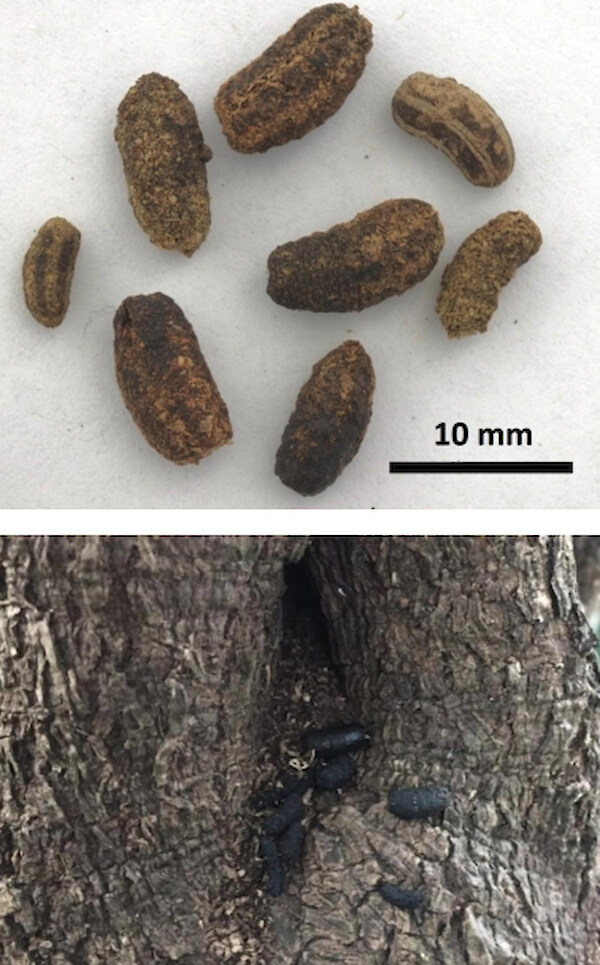
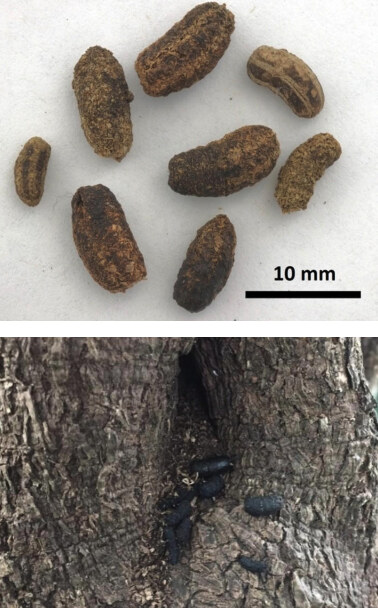
Wētā droppingsWētā droppingsWētā droppings:

  • Round like a jelly bean with a blunt end, around 10mm long
  • Ridged lengthwise and a striped appearance that fades over time
  • Often found near an entrance to a burrow in a tree
  • May smell like vanilla

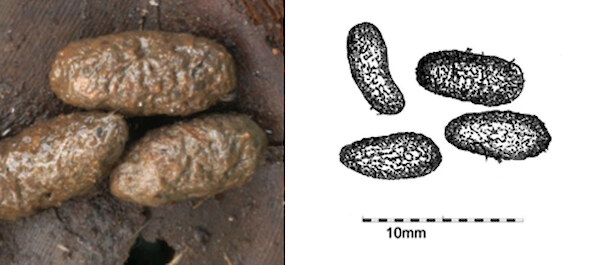
Norway rat droppingsNorway rat droppingsNorway rat droppings:
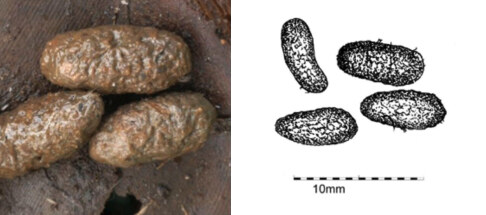
  • Cylindrical pellets between 13 – 19mm long
  • Larger and have rounder tips compared to Ship rat droppings
  • Likely to contain hair

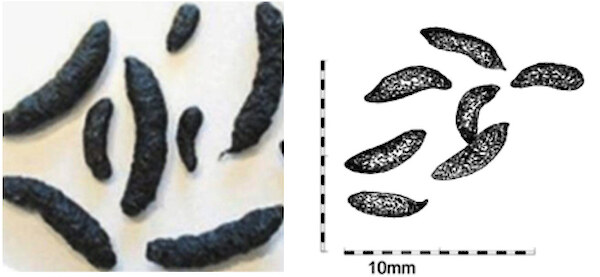
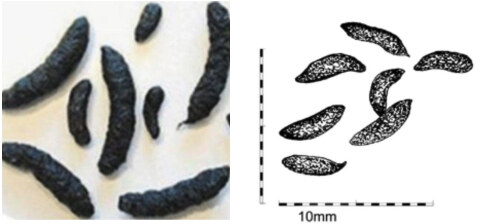
Ship rat droppingsShip rat droppingsShip rat droppings:

  • Small cylindrical pellets between 6 – 13mm long
  • Smaller and thinner than Norway rat droppings, and taper to a sharper point
  • Likely to contain hair

––––––

Did you know – one te reo Māori word for poo is weta (without macrons).

  • Facebook
  • Instagram
  • LinkedIn
  • Contact us
  • Receive our newsletter

© 2026 Predator Free Wellington • Privacy statement • Website by RS

  • Home
  • Our project
    • Our project
    • News
    • FAQs
    • Knowledge hub
    • Meet our team
    • Our impact
    • Our progress
    • Our supporters
    • Contact us
  • Sign up – Phase 2
    • Phase 2
    • Phase 2 volunteering
  • Miramar
  • Trapping
    • Find a trapping group
    • Community heroes
    • Knowledge hub
      • Our urban predator free blueprint (2024)
      • Most Significant Change (2025)
      • Return on investment (2025)
      • The value of volunteers (2024)
      • Habitat preferences of Ship rats (2023)
      • Social-ecological research (2022)
      • People, nature and wellbeing (2020)
      • Predator Free Miramar: How to kill rats and engage a community (2019)
      • Biosecurity: Rat or mouse?
      • Biosecurity: Rat or wētā droppings?
      • Biosecurity: Chew marks and chew cards
      • Biosecurity: Tracking tunnels and prints
      • How to get trapping (guide)
      • How to build a trapping tunnel
      • How to rat proof your compost
      • How to make a wētā hotel
      • How to build a corflute trapping tunnel
      • H2Zero trial – case study
      • Improving our biosecurity – case study
      • Using dog detectors early – case study
      • How to maintain your Victor rat trap
      • How to run a tunnel building workshop
      • Conceiving an unfenced urban ecosanctuary at Mātai Moana (2024) – external link
      • Estimating the impact of Predator Free Wellington on tree wētā (2025) – external link
      • Assessing the effects of predator control and habitat on lizards in an urban landscape (2025) – external link
      • Webinar - Analysis of Predator Free Wellington data from Miramar (2024)
  • Support us
  • Facebook
  • Instagram
  • LinkedIn
  • Newsletter signup
  • Search...