
Bird numbers are soaring in Wellington
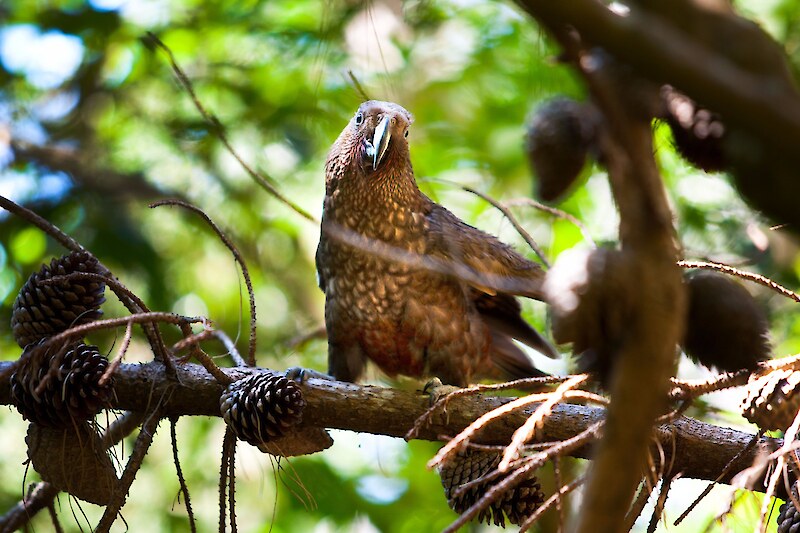
A 2017 bird report by Wellington City Council today revealed that tui, kaka and kakariki numbers have all increased significantly in Wellington Reserves since 2011, and there has been no decrease detected for any other species.
These figures suggest that the presence of Zealandia, and the increase in predator control throughout the city, is really making a difference for our feathered friends.
 Since 2011 the Council’s Urban Ecology programme has engaged professional ecologists to conduct yearly five minute bird counts at 100 stations in reserves across Wellington City. The bird counts provide a high level picture of how birds are doing in Wellington by monitoring the trends in diversity abundance and distribution of native forest birds throughout Wellington City’s reserve network.
Wellington City Council’s Open Spaces and Parks Manager Myfanwy Emeny and her team are flying high with the results.
“Our team has been working really hard, and it’s great to see such impressive progress – especially as we are giving everyone the opportunity to see so many native forest bird species up close and personal in the heart of the capital,” says Myfanwy.
“These numbers also reflect the effective biodiversity management we have achieved through animal pest control, weed control and habitat restoration in our city – and we couldn’t have done it without the huge support from so many volunteers in the community.”
There has been a significant increase in the average native forest bird species encountered per bird count. This is likely to be caused by increases in the number of individuals of some species and the areas they occupy in our city. Encounter rates for tui, North Island kaka and red-crowned parakeet (kakariki) have all increased significantly since the surveys began, and no decreases in encounter rates have been detected for any species.
The reports itself also incorporates community efforts. Increased engagement from local residents as ‘citizen scientists’ contributes to a number of databases and projects which is helping to build a detailed picture of changes in bird distribution in the city.
Posted: 7 December 2017