
Miramar Peninsula's bird numbers flying high
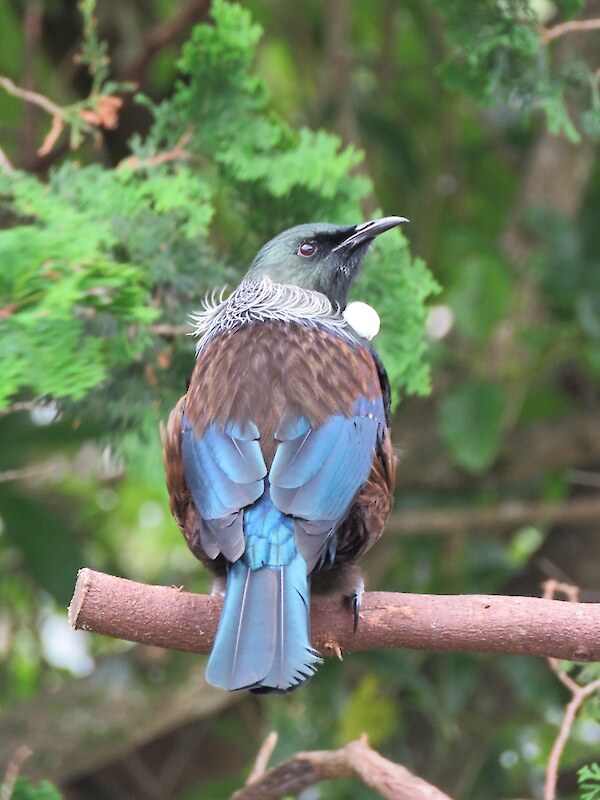 Credit: Emma RowellThe 2023 annual 5-minute bird count results have revealed a 71% increase in native birds on Te Motu Kairangi Miramar Peninsula, since the project began.
This has been driven by a 500% increase in the number of pīwakawaka (NZ fantails), a 340% increase in riroriro (grey warbler), a 72% increase in the mean number of tūī counted.
These results are a further mark of progress from the 51% increase reported last year, and show that the removal of Norway rats, weasels and the near-elimination of ship rats significantly influences the viability of native manu (birds) repopulating on the peninsula. In particular, the increase in riroriro is not something that has been observed more widely across the city and is therefore likely to be a direct result of the local elimination efforts.
Encouragingly, tūī and pīwakawaka have also been increasing in abundance in parks and reserves across the capital, which is a tautoko to the combined efforts of the Miramar Peninsula elimination and city-wide predator control (both community trapping and council programmes), as well as the halo effect from the Zealandia Te Māra a Tāne ecosanctuary.
The 5 minute bird count technique also gives us an insight into the distribution of bird species across the peninsula, with native species showing a clear preference for forests or areas with tree cover and more mature gardens. This highlights the tandem benefits of native plant restoration and tree planting along with predator control, in supporting the return of native birdlife. The progress being made on the peninsula by our friends at Te Motu Kairangi-Miramar Ecological Restoration group has been instrumental in this space.
Project Director, James Willcocks, says that predator free mahi means “knowng that future generations will be surrounded by vibrant, thriving wildlife”, and the rising bird numbers are a key indicator that we are creating a nature city for our rangatahi! Better yet this is supported by the anecdotal evidence we’re receiving from Miramar locals who, because of their incredible trapping efforts, are witnessing the return of manu taonga, every day.
Additional information from the bird count report
- A network of 84 five-minute bird count stations has been established on Miramar Peninsula to monitor the response of local bird populations to Predator Free Wellington’s efforts to eradicate rats and mustelids from the peninsula. A single bird count has been carried out at each count station since 2017.
- Of the native terrestrial bird species present on Miramar Peninsula between 2017 and 2021, Tūī were the most widespread native terrestrial bird species, recorded at 83 (995) of the 84 count stations and reported on 2,286 occasions by citizen scientists
- The five most widespread native birds on the peninsula (in order) are: tūi, tauhou (silvereye), riroriro (grey warbler), pīwakawaka (NZ fantail), and kōtare (NZ kingfisher).
- The kārearea (NZ falcon) was the eighth most widespread native terrestrial bird species on Miramar Peninsula between 2017 and 2022, being recorded at five (6%) of the 84 bird count stations and reported on 210 occasions by citizen scientists. One pair has been breeding in an area of harvested pine forest above Shelly Bay since at least 2018.
- Kākā and kākāriki (red-crowned parakeet) were recorded on six and sixteen occasions respectively by citizen scientists, this may be an early sign that these two species are in the process of recolonising forested habitats on the peninsula.
- Ruru (morepork) have been recorded on 51 occasions by local citizen scientists between 2017 and 2022. Note - it is fairly unlikely that ruru (morepork) will be detected during five-minute bird counts as they are a nocturnal species and the counts are carried out during daylight hours.
Posted: 29 September 2023