Predator Free Wellington
  • Our project
    • Our project
    • News
    • FAQs
    • Knowledge hub
    • Meet our team
    • Our impact
    • Our progress
    • Our supporters
    • Contact us
    • Impact dashboard
  • Sign up – Phase 2
    • Phase 2
    • Phase 2 volunteering
  • Miramar
  • Trapping
    • Find a trapping group
    • Community heroes
    • Knowledge hub
  • Support us
  1. Home
  2. Trapping
  3. KATCH 22 (Mākara Peak Supporters)

KATCH 22 (Mākara Peak Supporters)

Photo credit: Karl Yager

About us

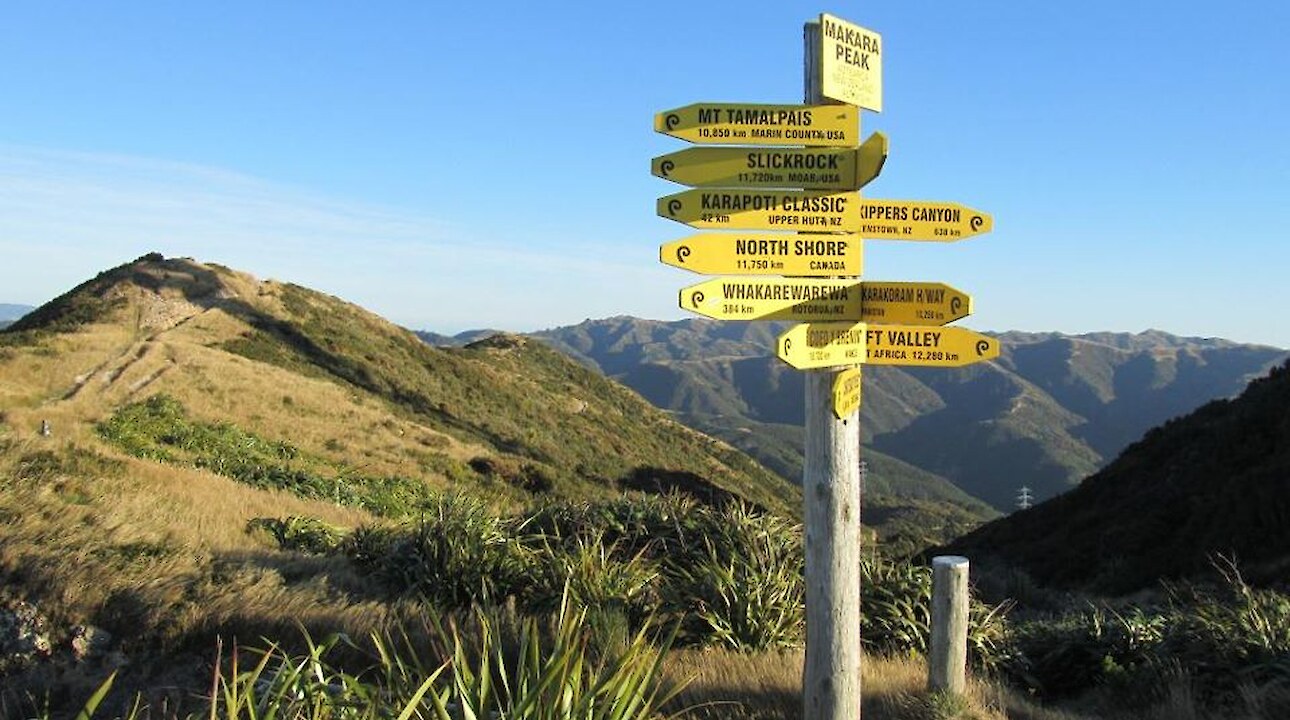
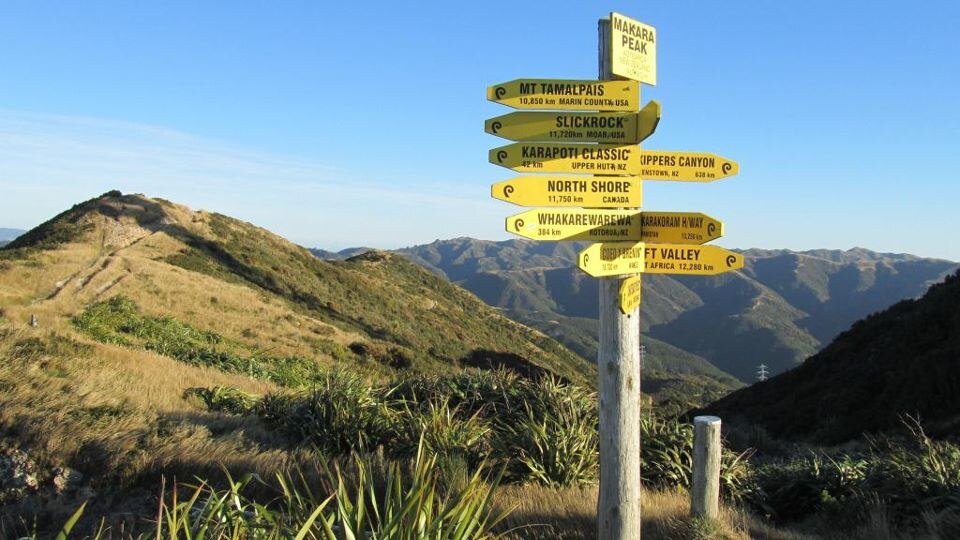
From small beginnings of a six-trap line in Mākara Peak Mountain Bike Park in the early 2000s, our 30 volunteers now look after over 450 traps in the reserves surrounding Karori. Our ‘ring of steel’ targets mustelids (stoats and weasels) and rats, giving our precious native birds and lizards a better chance of a safe home. Volunteers are a mix of mountain bikers, runners and walkers. Trap lines mostly follow tracks so can be combined with regular rides or walks. Alongside Predator Free Karori we are looking forward to a raucous dawn chorus in the next five years, including a special area of remnant forest in Mākara Peak that we are making comfortable for kākā and korimako (bellbird) to move in.

KATCH 22 is a Mākara Peak Mountain Bike Park Supporters initiative. Mākara Peak Supporters are a registered charitable organisation. If you would like to donate time or money to the cause check out our website.
Our area

Photos

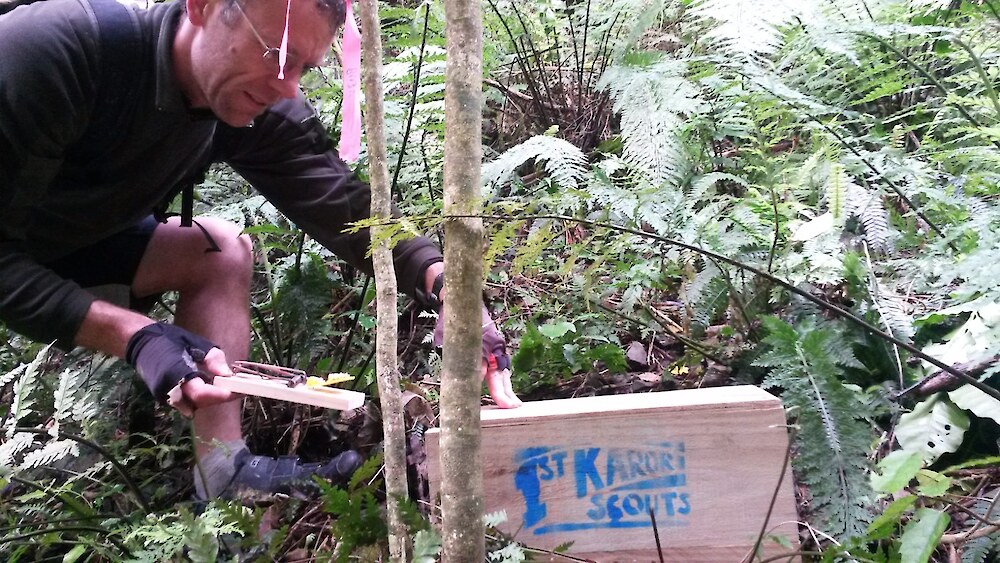
Volunteer setting up a new trap built by Karori Scouts

Contact

Committee

E [Enable JavaScript to view protected content]

W makarapeak.bike

  • Facebook
  • Facebook
  • Instagram
  • LinkedIn
  • Contact us
  • Receive our newsletter

© 2026 Predator Free Wellington • Privacy statement • Website by RS

  • Home
  • Our project
    • Our project
    • News
    • FAQs
    • Knowledge hub
    • Meet our team
    • Our impact
    • Our progress
    • Our supporters
    • Contact us
    • Impact dashboard
      • Native birds are closing the gap on introduced birds on Miramar Peninsula
      • Measuring economic impact
      • Social outcomes emerging from Predator Free Wellington
      • Why Predator Free Wellington is built on community partnership
  • Sign up – Phase 2
    • Phase 2
    • Phase 2 volunteering
  • Miramar
  • Trapping
    • Find a trapping group
    • Community heroes
    • Knowledge hub
      • Our urban predator free blueprint (2024)
      • Most Significant Change (2025)
      • Return on investment (2025)
      • The value of volunteers (2024)
      • Habitat preferences of Ship rats (2023)
      • Social-ecological research (2022)
      • People, nature and wellbeing (2020)
      • Predator Free Miramar: How to kill rats and engage a community (2019)
      • Biosecurity: Rat or mouse?
      • Biosecurity: Rat or wētā droppings?
      • Biosecurity: Chew marks and chew cards
      • Biosecurity: Tracking tunnels and prints
      • How to get trapping (guide)
      • How to build a trapping tunnel
      • How to rat proof your compost
      • How to make a wētā hotel
      • How to build a corflute trapping tunnel
      • H2Zero trial – case study
      • Improving our biosecurity – case study
      • Using dog detectors early – case study
      • How to maintain your Victor rat trap
      • How to run a tunnel building workshop
      • Conceiving an unfenced urban ecosanctuary at Mātai Moana (2024) – external link
      • Estimating the impact of Predator Free Wellington on tree wētā (2025) – external link
      • Assessing the effects of predator control and habitat on lizards in an urban landscape (2025) – external link
      • Webinar - Analysis of Predator Free Wellington data from Miramar (2024)
  • Support us
  • Facebook
  • Instagram
  • LinkedIn
  • Newsletter signup
  • Search...