Predator Free Wellington
  • Our project
    • Our project
    • News
    • FAQs
    • Knowledge hub
    • Meet our team
    • Our impact
    • Our progress
    • Our supporters
    • Contact us
    • Impact dashboard
  • Sign up – Phase 2
    • Phase 2
    • Phase 2 volunteering
  • Miramar
  • Trapping
    • Find a trapping group
    • Community heroes
    • Knowledge hub
  • Support us
  1. Home
  2. Trapping
  3. Kumutoto

Kumutoto

About us

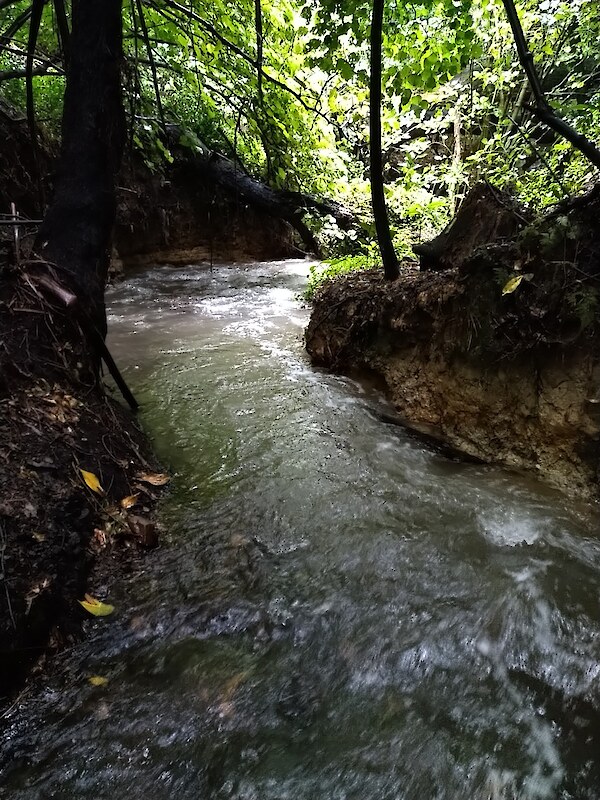
Kumutoto was the first stream to be culverted in Wellington in the late 1800s. Before this it was a very significant place for Te Āti Awa. Pre 1840’s, Kumutoto was a large, free-flowing, and abundant river that formed part of Kumutoto pā. The river was an important food and irrigation source. It was used for naming rituals and most notably part of the stream was tapu (restricted) for birthing practices.

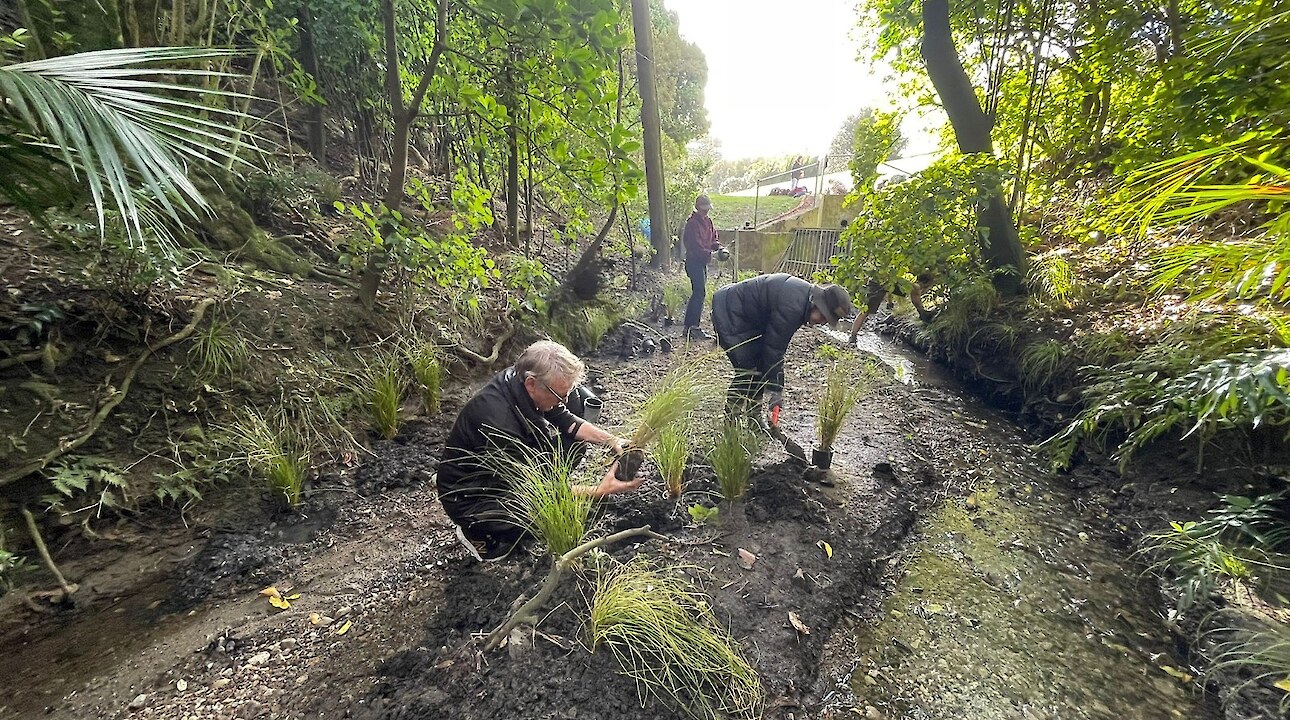
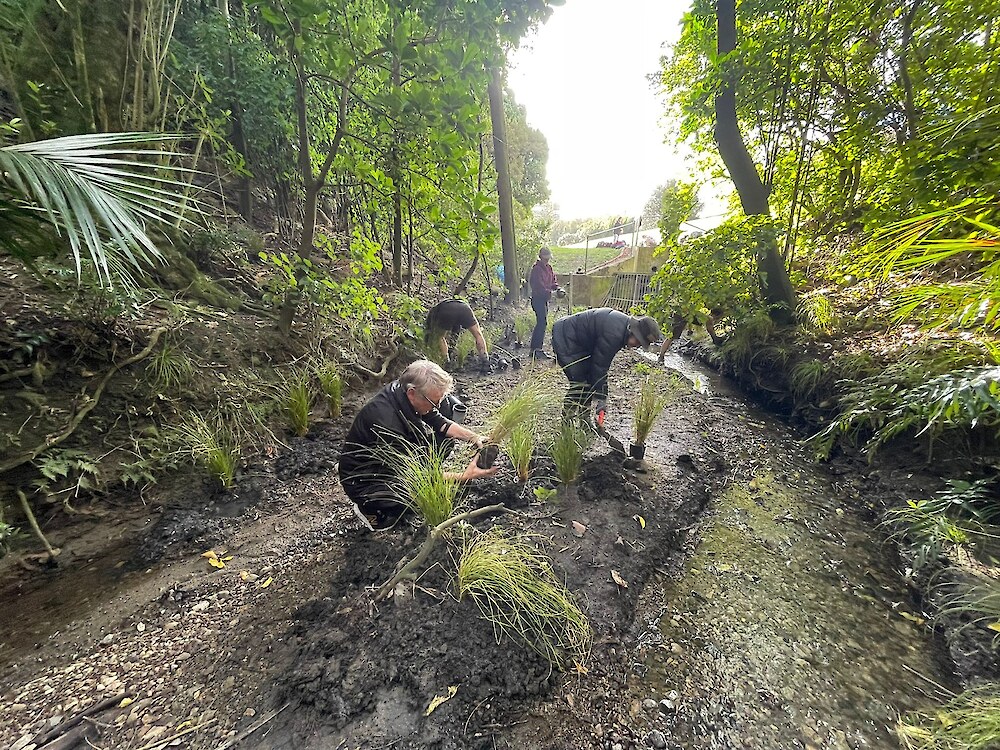
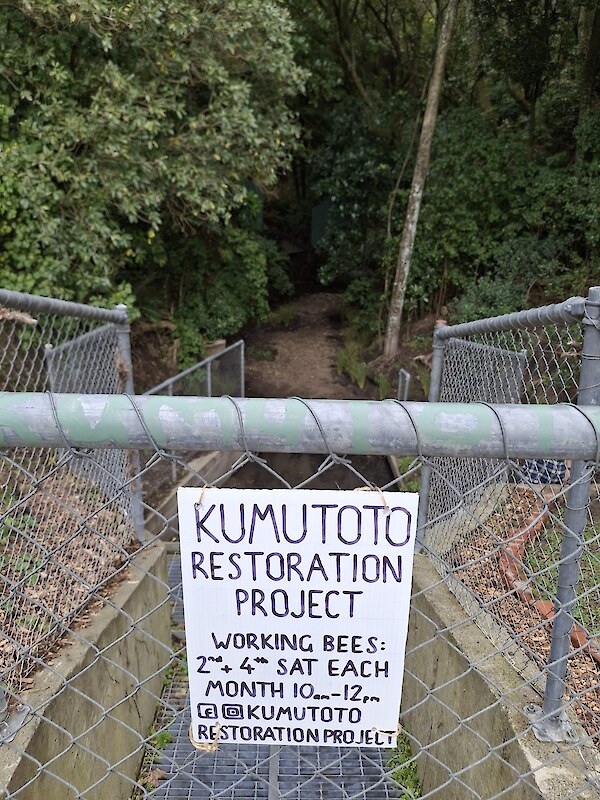
Working bees: We meet 10am-12pm every second and fourth Saturday of the month. We check traps, clear weeds and rubbish, and help restore the awa. Hot soup and kai are provided! Please bring along reusable containers and cutlery for your kai.

The name ‘Kumutoto’ reflects the stream’s relationship to birthing. It translates to “bleeding from the behind”, which reflected the hemorrhoids that often accompany birth. The name also performed a secondary purpose: those who were told the name would know the stream was tapu and thus would not venture into it without consent.

Kumutoto Forest is a project which is linked to the international Society of Conservation Biology (SCB). Kumutoto is part of three projects under the Wellington Chapter which is the only SCB chapter in New Zealand. The group is also closely linked into Victoria University of Wellington. The ngahere has been a study site for students from different departments including ecology, film, and law.
Our area

Photos

Contact

Kumutoto committee

E [Enable JavaScript to view protected content]

  • Facebook page
  • Society for Conservation Biology - Victoria University of Wellington

Supporters

Supporter logo
Supporter logo
Supporter logo
Supporter logo
  • Facebook
  • Instagram
  • LinkedIn
  • Contact us
  • Receive our newsletter

© 2026 Predator Free Wellington • Privacy statement • Website by RS

  • Home
  • Our project
    • Our project
    • News
    • FAQs
    • Knowledge hub
    • Meet our team
    • Our impact
    • Our progress
    • Our supporters
    • Contact us
    • Impact dashboard
      • Native birds are closing the gap on introduced birds on Miramar Peninsula
      • Measuring economic impact
      • Social outcomes emerging from Predator Free Wellington
      • Why Predator Free Wellington is built on community partnership
  • Sign up – Phase 2
    • Phase 2
    • Phase 2 volunteering
  • Miramar
  • Trapping
    • Find a trapping group
    • Community heroes
    • Knowledge hub
      • Our urban predator free blueprint (2024)
      • Most Significant Change (2025)
      • Return on investment (2025)
      • The value of volunteers (2024)
      • Habitat preferences of Ship rats (2023)
      • Social-ecological research (2022)
      • People, nature and wellbeing (2020)
      • Predator Free Miramar: How to kill rats and engage a community (2019)
      • Biosecurity: Rat or mouse?
      • Biosecurity: Rat or wētā droppings?
      • Biosecurity: Chew marks and chew cards
      • Biosecurity: Tracking tunnels and prints
      • How to get trapping (guide)
      • How to build a trapping tunnel
      • How to rat proof your compost
      • How to make a wētā hotel
      • How to build a corflute trapping tunnel
      • H2Zero trial – case study
      • Improving our biosecurity – case study
      • Using dog detectors early – case study
      • How to maintain your Victor rat trap
      • How to run a tunnel building workshop
      • Conceiving an unfenced urban ecosanctuary at Mātai Moana (2024) – external link
      • Estimating the impact of Predator Free Wellington on tree wētā (2025) – external link
      • Assessing the effects of predator control and habitat on lizards in an urban landscape (2025) – external link
      • Webinar - Analysis of Predator Free Wellington data from Miramar (2024)
  • Support us
  • Facebook
  • Instagram
  • LinkedIn
  • Newsletter signup
  • Search...