Predator Free Wellington
  • Our project
    • Our project
    • News
    • FAQs
    • Knowledge hub
    • Meet our team
    • Our impact
    • Our progress
    • Our supporters
    • Contact us
    • Impact dashboard
  • Sign up – Phase 2
    • Phase 2
    • Phase 2 volunteering
  • Miramar
  • Trapping
    • Find a trapping group
    • Community heroes
    • Knowledge hub
  • Support us
  1. Home
  2. Trapping
  3. Predator Free Ngaio and Crofton Downs

Predator Free Ngaio and Crofton Downs

About us

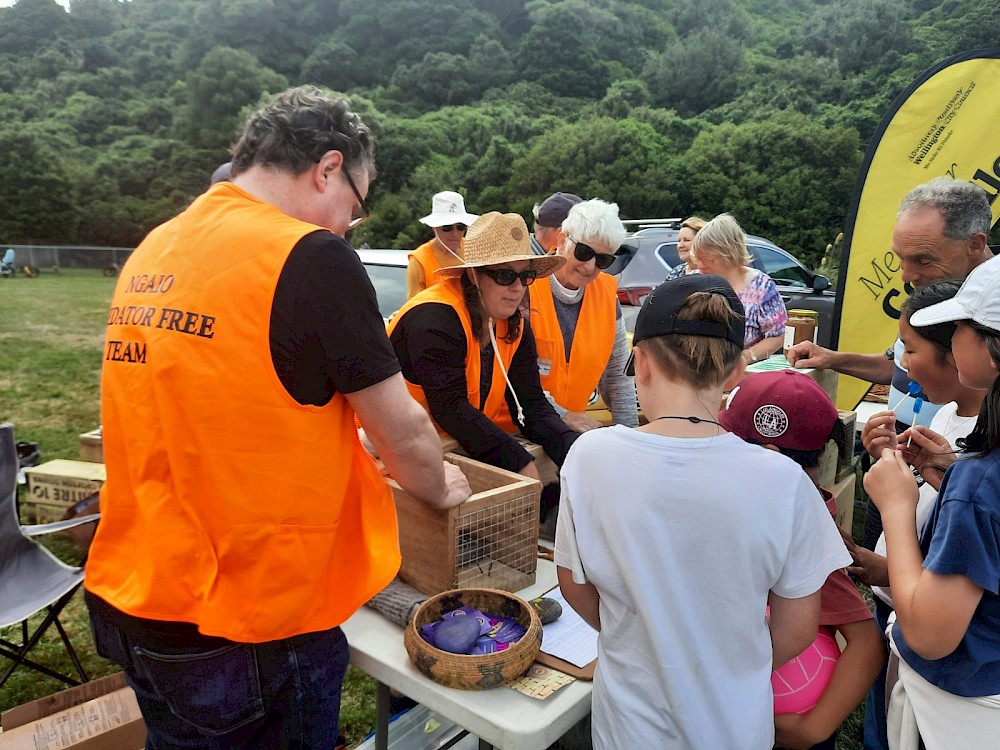
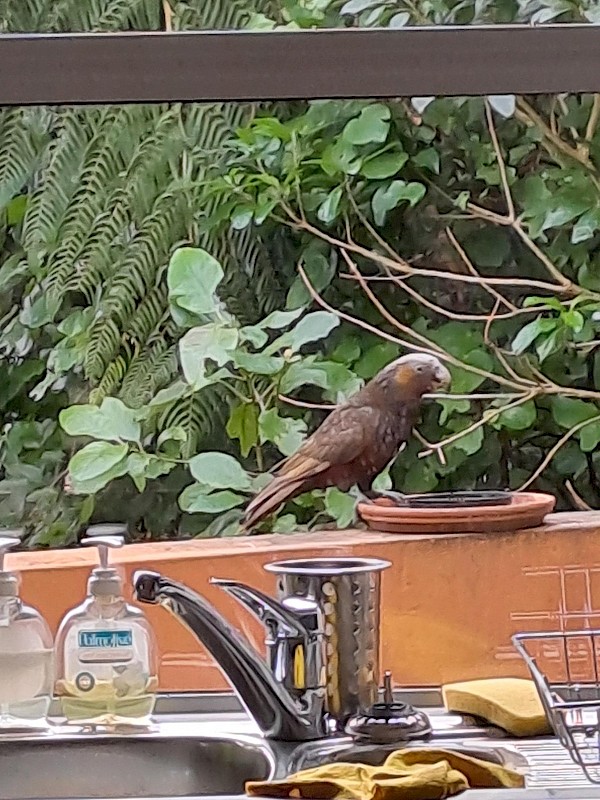
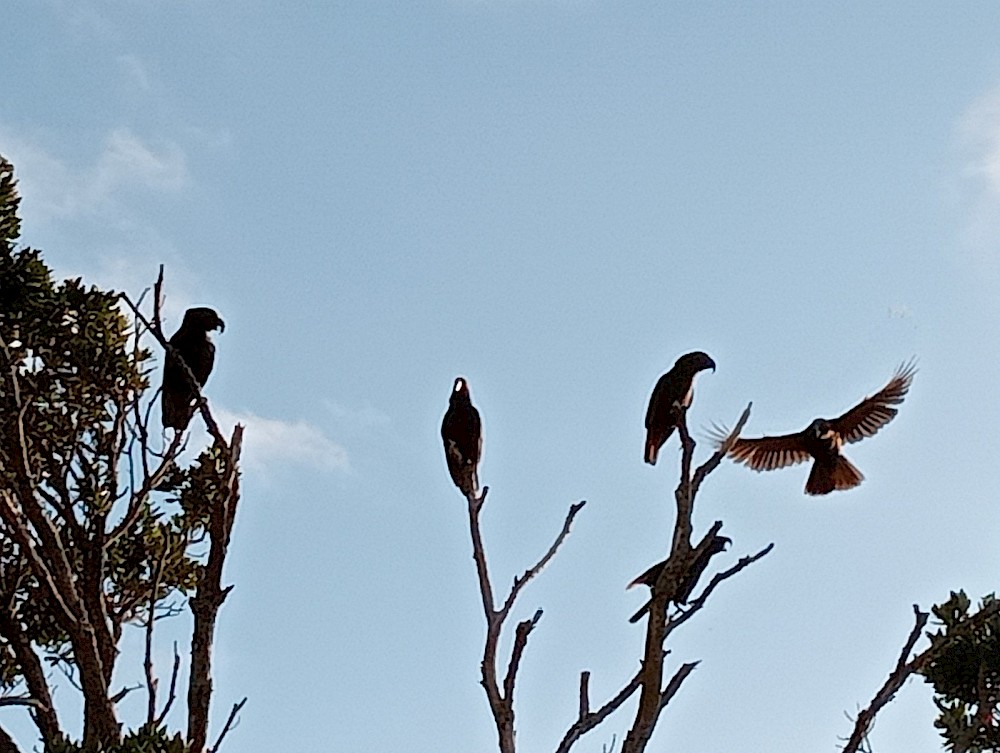
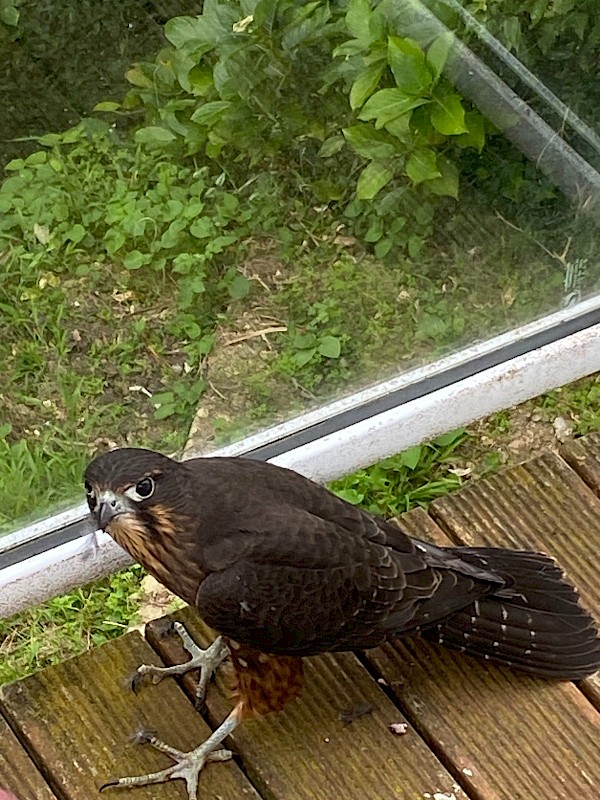
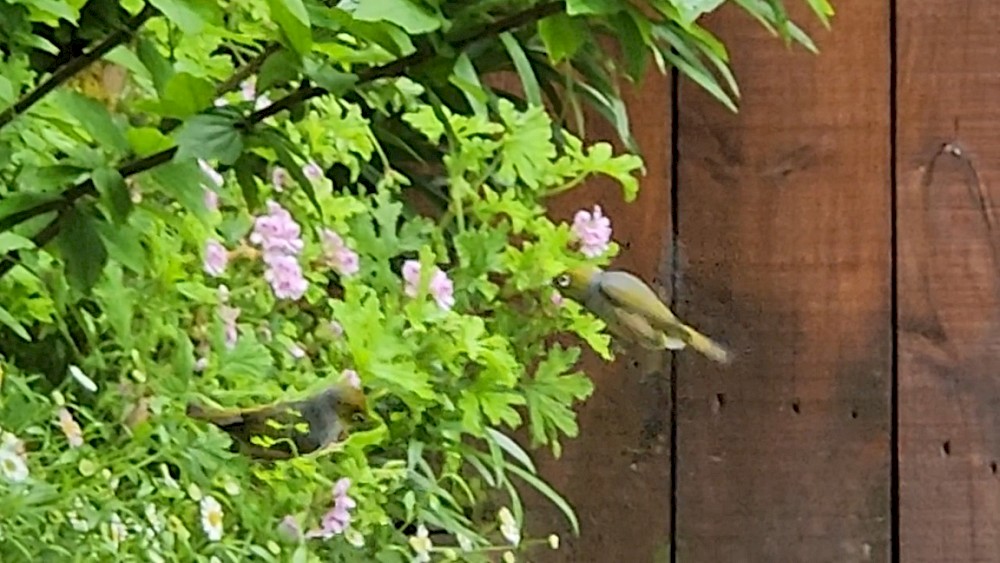
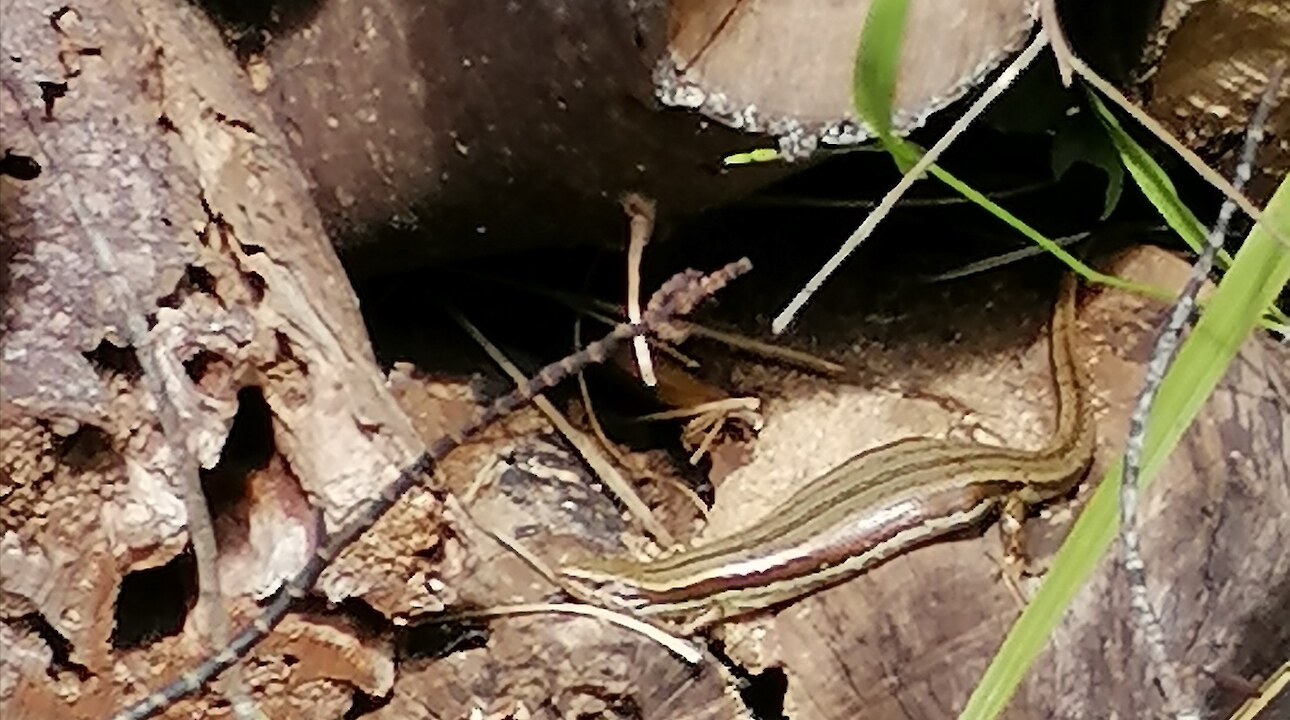
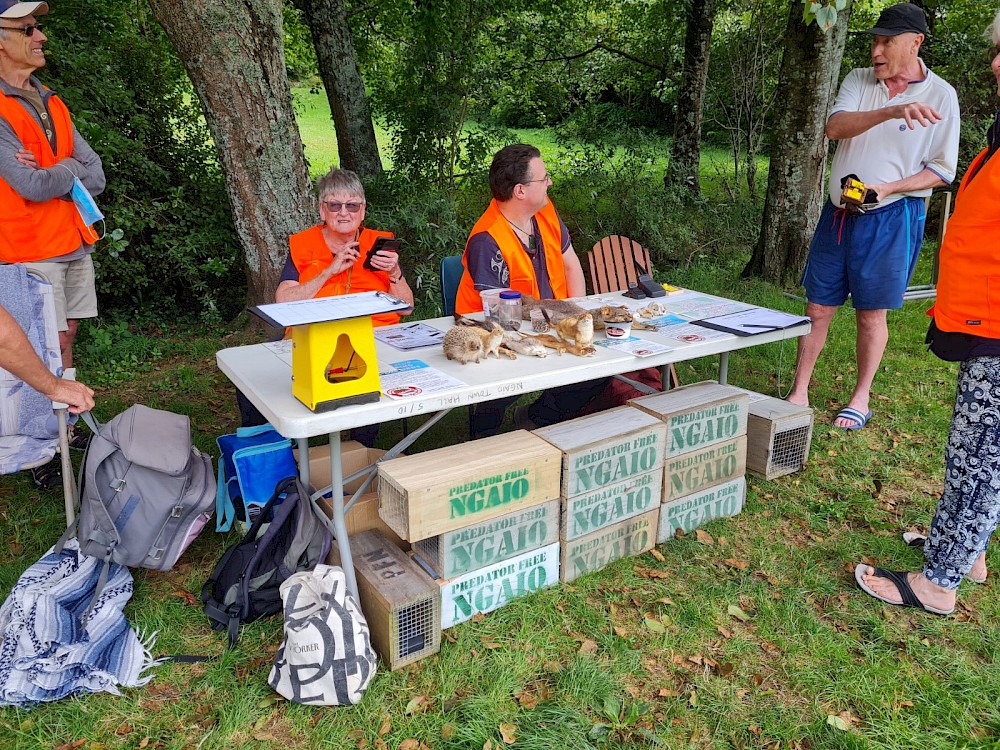
Predator Free Ngaio and Crofton Downs is helping create a safe haven for our native birds as part of a western suburbs corridor linking us to the bird sanctuary at Zealandia. We began in 2016 and have rid the two suburbs and their bush reserves of more than 25,000 rats and mice with the help of over 650 households and a great team of reserves trappers. And the birds and lizards are loving it! We’re hearing and seeing kākā regularly, even the korimako (bellbird) which had been previously absent from Ngaio. And skinks are making a welcome return to some gardens. All good!

But we’re a big area and still need more help. Would you like to be part of this bold bid to give our precious native wildlife a happy, safer existence? We’d love to hear from you! We’re trapping rats and mice around our homes, gardens and surrounding bush. Some of the reserve trappers are also catching stoats and weasels. We’ll provide the trap. You just keep it baited and report back. (Reporting is super simple. You just hit reply to our fortnightly email and type the number of rats and / or mice). The traps are humane kill-traps in a wooden tunnel that keeps cats, dogs and kids out.

Please get in touch if you’d like to help our native birds and lizards survive and flourish!
Our area

Photos

Contact

Judie

E [Enable JavaScript to view protected content]

  • Facebook
  • Facebook
  • Instagram
  • LinkedIn
  • Contact us
  • Receive our newsletter

© 2026 Predator Free Wellington • Privacy statement • Website by RS

  • Home
  • Our project
    • Our project
    • News
    • FAQs
    • Knowledge hub
    • Meet our team
    • Our impact
    • Our progress
    • Our supporters
    • Contact us
    • Impact dashboard
      • Native birds are closing the gap on introduced birds on Miramar Peninsula
      • Measuring economic impact
      • The social impact of Predator Free Wellington
      • Why Predator Free Wellington is built on community partnership
  • Sign up – Phase 2
    • Phase 2
    • Phase 2 volunteering
  • Miramar
  • Trapping
    • Find a trapping group
    • Community heroes
    • Knowledge hub
      • Our urban predator free blueprint (2024)
      • Most Significant Change (2025)
      • Return on investment (2025)
      • The value of volunteers (2024)
      • Habitat preferences of Ship rats (2023)
      • Social-ecological research (2022)
      • People, nature and wellbeing (2020)
      • Predator Free Miramar: How to kill rats and engage a community (2019)
      • Biosecurity: Rat or mouse?
      • Biosecurity: Rat or wētā droppings?
      • Biosecurity: Chew marks and chew cards
      • Biosecurity: Tracking tunnels and prints
      • How to get trapping (guide)
      • How to build a trapping tunnel
      • How to rat proof your compost
      • How to make a wētā hotel
      • How to build a corflute trapping tunnel
      • H2Zero trial – case study
      • Improving our biosecurity – case study
      • Using dog detectors early – case study
      • How to maintain your Victor rat trap
      • How to run a tunnel building workshop
      • Conceiving an unfenced urban ecosanctuary at Mātai Moana (2024) – external link
      • Estimating the impact of Predator Free Wellington on tree wētā (2025) – external link
      • Assessing the effects of predator control and habitat on lizards in an urban landscape (2025) – external link
      • Webinar - Analysis of Predator Free Wellington data from Miramar (2024)
  • Support us
  • Facebook
  • Instagram
  • LinkedIn
  • Newsletter signup
  • Search...