Predator Free Wellington
  • Our project
    • Our project
    • News
    • FAQs
    • Knowledge hub
    • Meet our team
    • Our impact
    • Our progress
    • Our supporters
    • Contact us
    • Impact dashboard
  • Sign up – Phase 2
    • Phase 2
    • Phase 2 volunteering
  • Miramar
  • Trapping
    • Find a trapping group
    • Community heroes
    • Knowledge hub
  • Support us
  1. Home
  2. Trapping
  3. Trelissick Park Group

Trelissick Park Group

About us

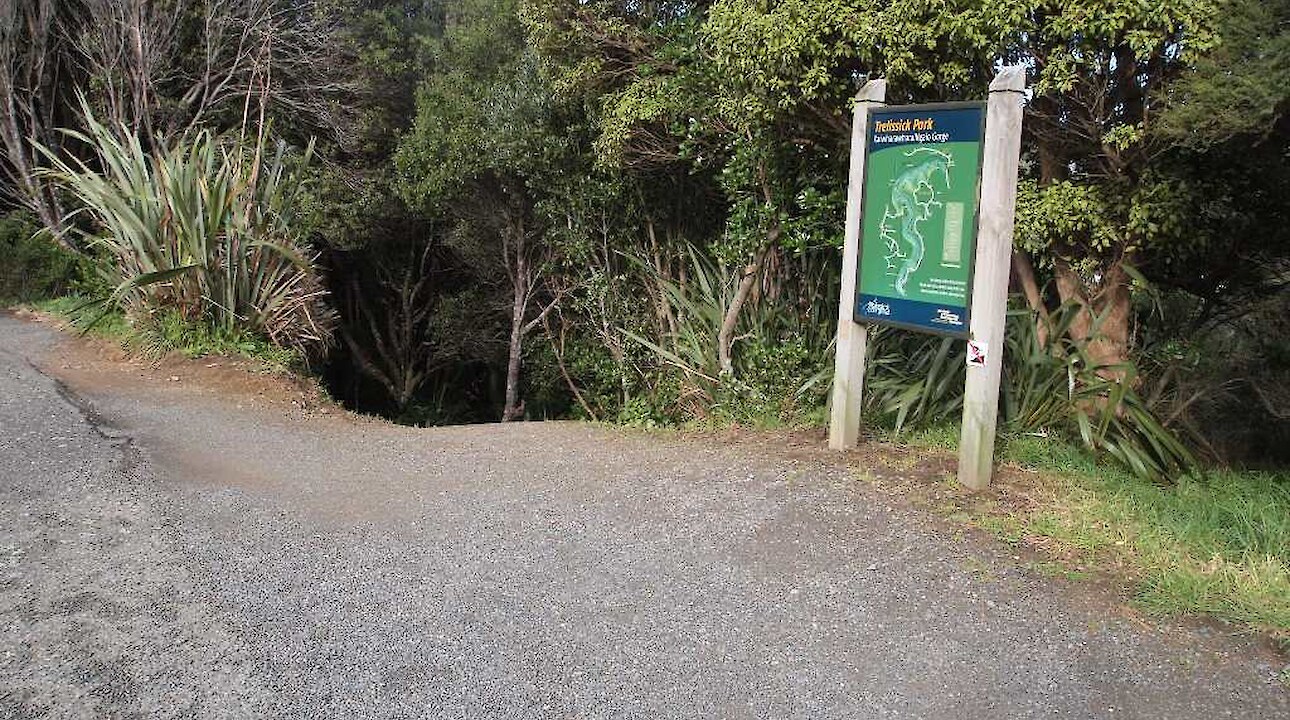
Within Wellington City, a large expanse of hillside, valley, stream and parkland that encompasses Trelissick Park and Ngaio Gorge is being restored by community volunteers to create a beautiful wilderness area.

Wellington City Council provides support with pest control, supply of native plants, track and bridge work, erecting signage and information boards and stream bank strengthening. Greater Wellington also provide support with pest control.

The Trelissick Park Group has been active for more than 35 years – and has been actively supporting the predator control efforts during this period.

Ongoing bait station servicing was taken over by TPG volunteers in 2008 and has been carried out in partnership with the City and the Regional Councils. Generally the bait stations are visited monthly for replenishment as necessary. Mustelid traps (DOC200) were also introduced into the park in 2008 and are also checked monthly by volunteers for victims and/or resetting as needed. We also use A24 self setting traps. The predator control efforts are best described on our website here.

In addition to the volunteer efforts on predator control, there are about 20 organised work bees throughout the year for the Trelissick Park Group volunteers – as well as school and corporate and other groups who volunteer their efforts. Our Facebook page documents most of these endeavours as they happen.

New volunteers are welcome! Contact us using the email above, or visit our website.

Our area

Photos

Contact

Jim and Briony

E [Enable JavaScript to view protected content]

W trelissickpark.org.nz

  • Facebook
  • Facebook
  • Instagram
  • LinkedIn
  • Contact us
  • Receive our newsletter

© 2026 Predator Free Wellington • Privacy statement • Website by RS

  • Home
  • Our project
    • Our project
    • News
    • FAQs
    • Knowledge hub
    • Meet our team
    • Our impact
    • Our progress
    • Our supporters
    • Contact us
    • Impact dashboard
      • Native birds are closing the gap on introduced birds on Miramar Peninsula
      • Measuring economic impact
      • The social impact of Predator Free Wellington
      • Why Predator Free Wellington is built on community partnership
  • Sign up – Phase 2
    • Phase 2
    • Phase 2 volunteering
  • Miramar
  • Trapping
    • Find a trapping group
    • Community heroes
    • Knowledge hub
      • Our urban predator free blueprint (2024)
      • Most Significant Change (2025)
      • Return on investment (2025)
      • The value of volunteers (2024)
      • Habitat preferences of Ship rats (2023)
      • Social-ecological research (2022)
      • People, nature and wellbeing (2020)
      • Predator Free Miramar: How to kill rats and engage a community (2019)
      • Biosecurity: Rat or mouse?
      • Biosecurity: Rat or wētā droppings?
      • Biosecurity: Chew marks and chew cards
      • Biosecurity: Tracking tunnels and prints
      • How to get trapping (guide)
      • How to build a trapping tunnel
      • How to rat proof your compost
      • How to make a wētā hotel
      • How to build a corflute trapping tunnel
      • H2Zero trial – case study
      • Improving our biosecurity – case study
      • Using dog detectors early – case study
      • How to maintain your Victor rat trap
      • How to run a tunnel building workshop
      • Conceiving an unfenced urban ecosanctuary at Mātai Moana (2024) – external link
      • Estimating the impact of Predator Free Wellington on tree wētā (2025) – external link
      • Assessing the effects of predator control and habitat on lizards in an urban landscape (2025) – external link
      • Webinar - Analysis of Predator Free Wellington data from Miramar (2024)
  • Support us
  • Facebook
  • Instagram
  • LinkedIn
  • Newsletter signup
  • Search...