Predator Free Wellington
  • Our project
    • Our project
    • News
    • FAQs
    • Knowledge hub
    • Meet our team
    • Our impact
    • Our progress
    • Our supporters
    • Contact us
  • Sign up – Phase 2
    • Phase 2
    • Phase 2 volunteering
  • Miramar
  • Trapping
    • Find a trapping group
    • Community heroes
    • Knowledge hub
  • Support us
  1. Home
  2. Our project
  3. News

News

Wellington to become world’s first predator free capital city

Major funding announced today from Predator Free 2050 Limited brings Wellington a step closer to becoming the world’s first predator free capital city. Speaking at the funding announcement event, Ed Chignell, CEO Predator Free 2050 Limited said he would love for Wellingtonians to have a city free of possums… Read more

Posted: 8 August 2018

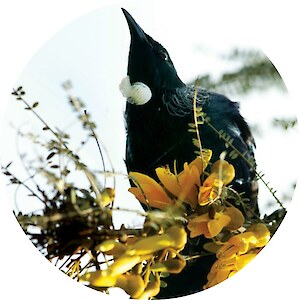
Goodbye possums, hello tūī

Did you know that in the 1990s tūī were a fairly rare sight on the Miramar Peninsula? The success of the 2003 Miramar Peninsula Possum Eradication Programme led by Greater Wellington Regional Council and Wellington City Council, had a positive, and long-lasting effect on other elements of the local… Read more

Posted: 9 April 2018

Reprise of the rat census

The second census of rats and stoats on the Miramar Peninsula got under way yesterday (19 March) as volunteer groups worked with Greater Wellington Regional Council to place 281 chew cards on one day throughout the peninsula. The chew cards are laid to follow up last year’s study into the scale of rat and… Read more

Posted: 20 March 2018

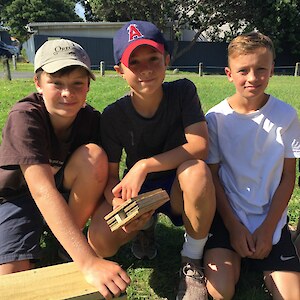
Inspiring Wellington’s next generation of conservation leaders

21 schools on and near Wellington’s Miramar Peninsula are participating in Predator Free Schools, an innovative environmental education programme which offers students the opportunity to become conservation leaders in their school and community. The programme was launched this week with two workshops hosted… Read more

Posted: 1 March 2018

Wellington leading the charge in conservation efforts

Wellingtonians are leading the charge in conservation efforts, with more predator free groups established than any other city – and more than 300,000 native trees planted too! “Wellington is at the forefront of a remarkable sea-change, having successfully created a social movement with almost all suburbs (25… Read more

Posted: 21 December 2017

Prev page
Page 17 of 18
Next page
  • Facebook
  • Instagram
  • LinkedIn
  • Contact us
  • Receive our newsletter

© 2026 Predator Free Wellington • Privacy statement • Website by RS

  • Home
  • Our project
    • Our project
    • News
    • FAQs
    • Knowledge hub
    • Meet our team
    • Our impact
    • Our progress
    • Our supporters
    • Contact us
  • Sign up – Phase 2
    • Phase 2
    • Phase 2 volunteering
  • Miramar
  • Trapping
    • Find a trapping group
    • Community heroes
    • Knowledge hub
      • Our urban predator free blueprint (2024)
      • Most Significant Change (2025)
      • Return on investment (2025)
      • The value of volunteers (2024)
      • Habitat preferences of Ship rats (2023)
      • Social-ecological research (2022)
      • People, nature and wellbeing (2020)
      • Predator Free Miramar: How to kill rats and engage a community (2019)
      • Biosecurity: Rat or mouse?
      • Biosecurity: Rat or wētā droppings?
      • Biosecurity: Chew marks and chew cards
      • Biosecurity: Tracking tunnels and prints
      • How to get trapping (guide)
      • How to build a trapping tunnel
      • How to rat proof your compost
      • How to make a wētā hotel
      • How to build a corflute trapping tunnel
      • H2Zero trial – case study
      • Improving our biosecurity – case study
      • Using dog detectors early – case study
      • How to maintain your Victor rat trap
      • How to run a tunnel building workshop
      • Conceiving an unfenced urban ecosanctuary at Mātai Moana (2024) – external link
      • Estimating the impact of Predator Free Wellington on tree wētā (2025) – external link
      • Assessing the effects of predator control and habitat on lizards in an urban landscape (2025) – external link
      • Webinar - Analysis of Predator Free Wellington data from Miramar (2024)
  • Support us
  • Facebook
  • Instagram
  • LinkedIn
  • Newsletter signup
  • Search...