Predator Free Wellington
  • Our project
    • Our project
    • News
    • FAQs
    • Knowledge hub
    • Meet our team
    • Our impact
    • Our progress
    • Our supporters
    • Contact us
    • Impact dashboard
  • Sign up – Phase 2
    • Phase 2
    • Phase 2 volunteering
  • Miramar
  • Trapping
    • Find a trapping group
    • Community heroes
    • Knowledge hub
  • Support us
  1. Home
  2. Our project
  3. News

News

What is Wellington’s native bird life like?

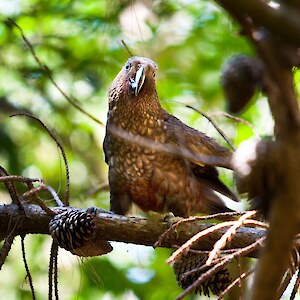
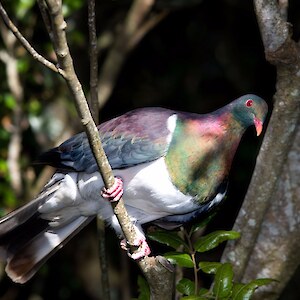
Wellington City Council and Greater Wellington Regional Council have been working to understand what the populations of our native bird life is like in Wellington, and the results are promising! Five-minute bird counts … Between 2011 and 2016 ‘five-minute bird counts’ were carried out at 100 bird count… Read more

Posted: 13 September 2017

Camera shy rats keep low profile in Miramar

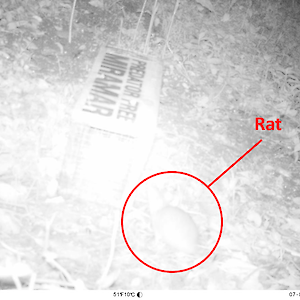
We know they’re out there somewhere but the rat population of Miramar is proving particularly elusive, or perhaps just plain camera shy. That’s what Predator Free Wellington found recently when they set up ‘Operation Ratcam’ to identify where rats in Miramar gather and feed. Predator Free Wellington is an… Read more

Posted: 7 September 2017

Wellingtonians overwhelmingly support a Predator Free Capital

The vision for Wellington to become the first predator free capital city in the world is one step closer, with 84% of Wellingtonians supportive of ridding the city of rats, stoats, weasels and possums. Predator Free Wellington is an ambitious project which aims to increase native wildlife by making… Read more

Posted: 5 July 2017

Prev page
Page 18 of 18
Next page
  • Facebook
  • Instagram
  • LinkedIn
  • Contact us
  • Receive our newsletter

© 2026 Predator Free Wellington • Privacy statement • Website by RS

  • Home
  • Our project
    • Our project
    • News
    • FAQs
    • Knowledge hub
    • Meet our team
    • Our impact
    • Our progress
    • Our supporters
    • Contact us
    • Impact dashboard
      • Native birds are closing the gap on introduced birds on Miramar Peninsula
      • Measuring economic impact
      • Social outcomes emerging from Predator Free Wellington
      • Why Predator Free Wellington is built on community partnership
  • Sign up – Phase 2
    • Phase 2
    • Phase 2 volunteering
  • Miramar
  • Trapping
    • Find a trapping group
    • Community heroes
    • Knowledge hub
      • Our urban predator free blueprint (2024)
      • Most Significant Change (2025)
      • Return on investment (2025)
      • The value of volunteers (2024)
      • Habitat preferences of Ship rats (2023)
      • Social-ecological research (2022)
      • People, nature and wellbeing (2020)
      • Predator Free Miramar: How to kill rats and engage a community (2019)
      • Biosecurity: Rat or mouse?
      • Biosecurity: Rat or wētā droppings?
      • Biosecurity: Chew marks and chew cards
      • Biosecurity: Tracking tunnels and prints
      • How to get trapping (guide)
      • How to build a trapping tunnel
      • How to rat proof your compost
      • How to make a wētā hotel
      • How to build a corflute trapping tunnel
      • H2Zero trial – case study
      • Improving our biosecurity – case study
      • Using dog detectors early – case study
      • How to maintain your Victor rat trap
      • How to run a tunnel building workshop
      • Conceiving an unfenced urban ecosanctuary at Mātai Moana (2024) – external link
      • Estimating the impact of Predator Free Wellington on tree wētā (2025) – external link
      • Assessing the effects of predator control and habitat on lizards in an urban landscape (2025) – external link
      • Webinar - Analysis of Predator Free Wellington data from Miramar (2024)
  • Support us
  • Facebook
  • Instagram
  • LinkedIn
  • Newsletter signup
  • Search...